Final Olympic Tally: Microgranite 1, Pizzoccheri 0
If you had to summarize the world’s biggest current trend in a single word, you might choose “agglomeration.” The rich are undeniably getting richer; rural places are slowly disappearing as cities annex and suburbs sprawl; mom and pop stores are visibly getting swallowed up by major corporations. As more and more of us convert to the twin gospels of scale and efficiency, it becomes harder and harder for people and places and companies that are relatively smaller, less connected, or less vertically integrated to attract new residents or to make stuff at a competitive price or high quality.
During the Milan-Cortina Winter Olympics I came across two stories that illustrate how tough it is for little guys to win as the world ties to scale everything.
One is a success story involving a very special kind of granite; the other is a cautionary tale about a not-quite-so-special kind of buckwheat. I think we can learn something from both.
****************
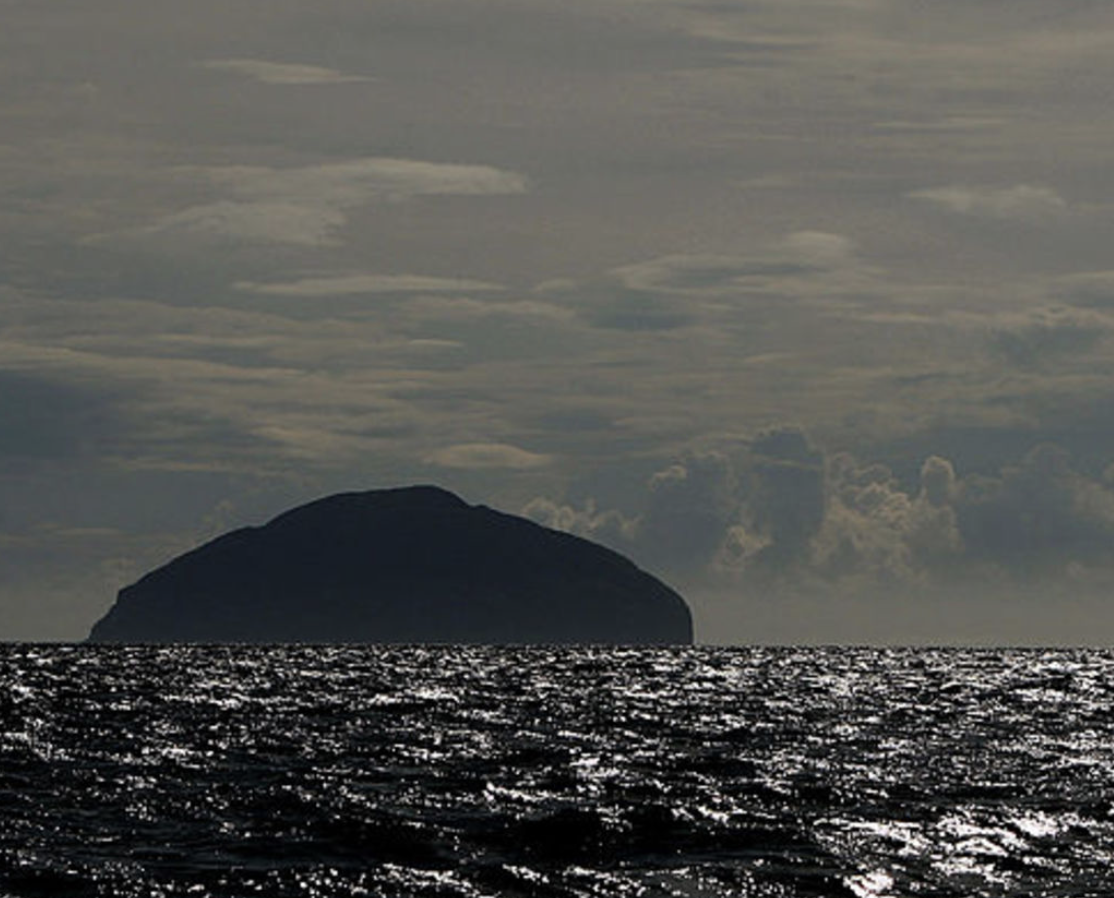
Is this island a bump in the sea or an economic engine? That depends on whether someone invents a sport called curling (Photo from TeamGB)
Halfway between Scotland and Ireland sits Ailsa Craig, an abandoned volcanic island with the world’s largest deposit of microgranite. Not only does this granite contain, according to the Scottish Geology Trust, “no crustal contamination,” it also contains the “comparatively rare alkaline ferromagnesian minerals riebecktic arfvedsonite, hedenbergite-acmite and aenigmatite.” Let’s just take their word for that.
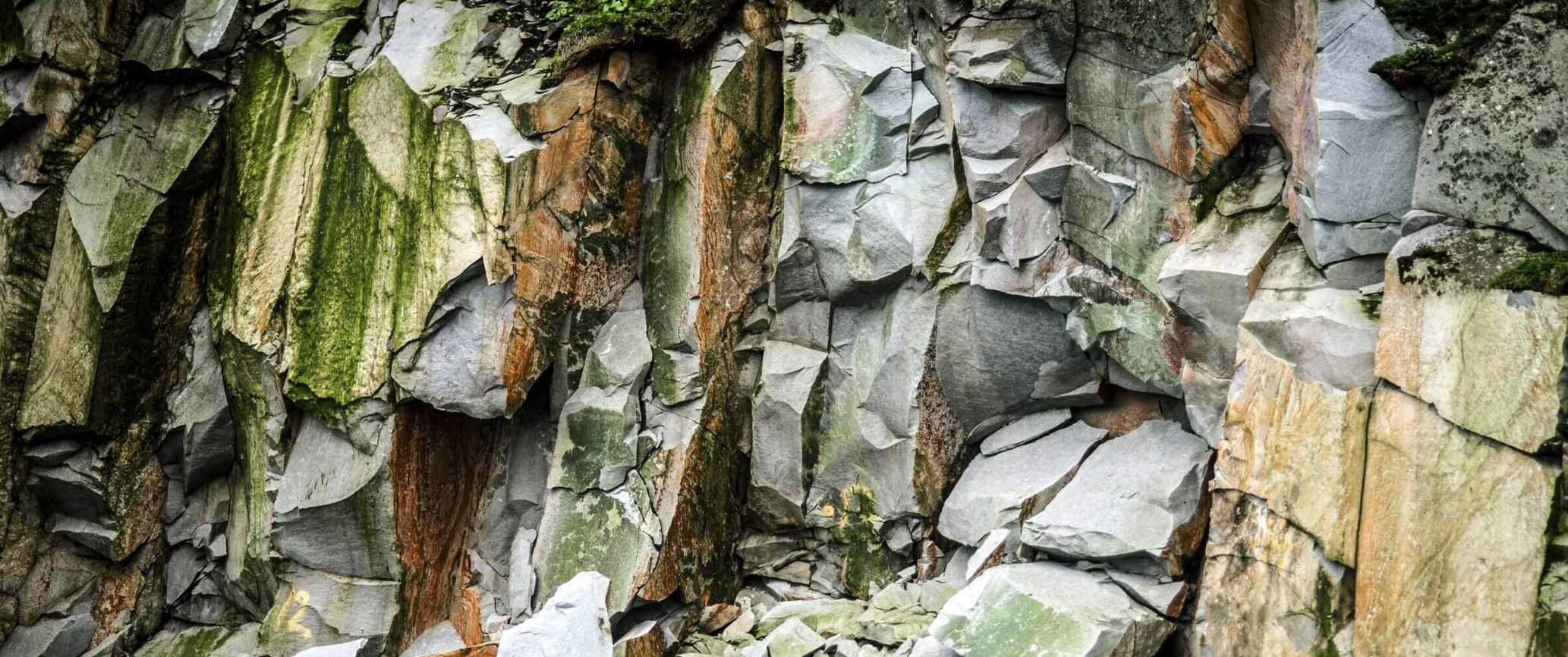
It may look like colored rock to you, but this Ailsa Craig granite is curling stone gold to the company with the monopoly on it. (Photo New York Times)
A depository for the kind of rare earth minerals the world’s powers are competing for to build computers and chips? Nope. It’s the best place in the world to mine the raw materials for…. curling stones.
A few months ago I shared my theory that every person in the world, if we just create enough categories, is among the world’s best at something. Today, a parallel theory: every place in the world, if we look hard enough, is uniquely suited to producing something: mining a mineral or stone; growing a plant; crafting a product; nurturing an animal; making a food.
I’ve been fascinated with this idea for a long time. Growing up in southeastern North Carolina, I learned early on that there was one thing we grew that nobody else could. The only carnivorous plant, the “Venus fly trap,” grew exclusively in our neck of the woods. Other places may have had gold or uranium, amber waves of grain or purple mountains majesty, eagles or flamingos; lobsters or jambalaya, but we had a flytrap — and nobody could take that away from us.
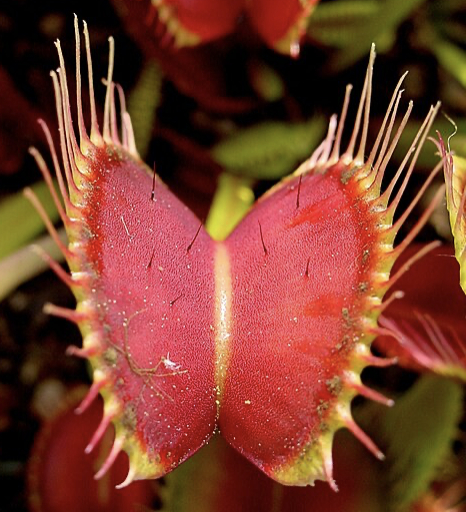
The Venus Fly Trap is lovely. It is deadly (at least to flies). It is unique to a region. Unfortunately, you can’t build an economy around it. (Photo Wikipedia)
As a grownup I tried to help rural people and places discover – or value – the unique assets they had, and then determine if there was a way they could use them to find a meaningful competitive advantage. In some cases those distinctions pointed a way forward, with sustainable jobs and wealth; in other cases they were, well, about as valuable as a carnivorous plant.
********
I read the story about Ailsa Craig and curling during my recent biennial descent into Olympic rabbit holes, then came across another one about pizzoccheri, a kind of pasta dish created and perfected in Valtellina, a bedraggled valley region running between Milan and Cortina d’Ampezzo, the Italian equivalent of fly-over country.
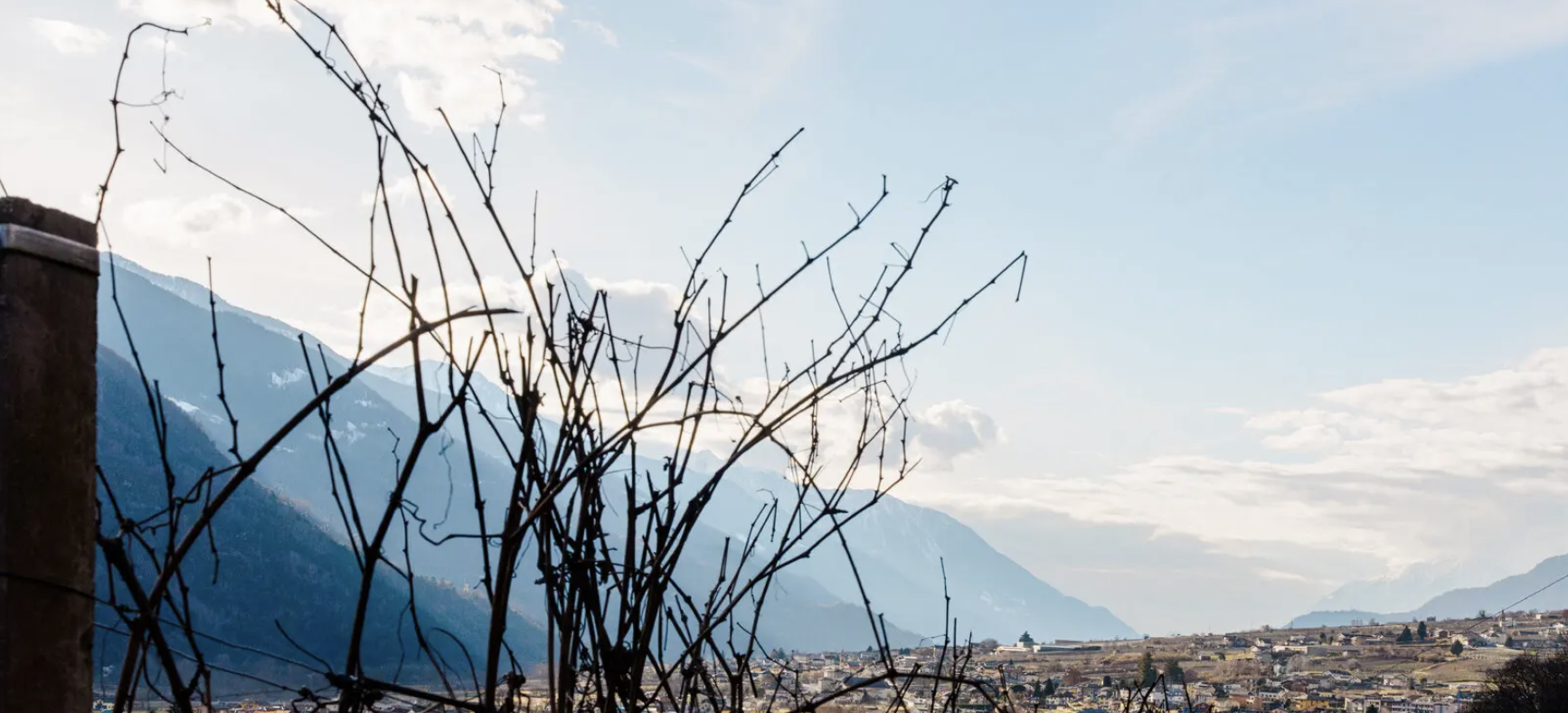
The Valtellina region is struggling and could’ve used an Olympic shot in the arm. Instead, its people and products got flown over, driven by and dissed.(Photo New York Times)
The dish, according to Alessandro Negrini, a Michelin-star chef who grew up in the region, is made with ribbons of hand-cut buckwheat pasta, which are then covered with a local cheese called Casera, local potatoes and savoy cabbage and topped with garlicky Alpine butter. Why those particular unique ingredients? Those are all things that the farmers of the region have figured out how to coax from the region’s particular hilly, rocky soil.
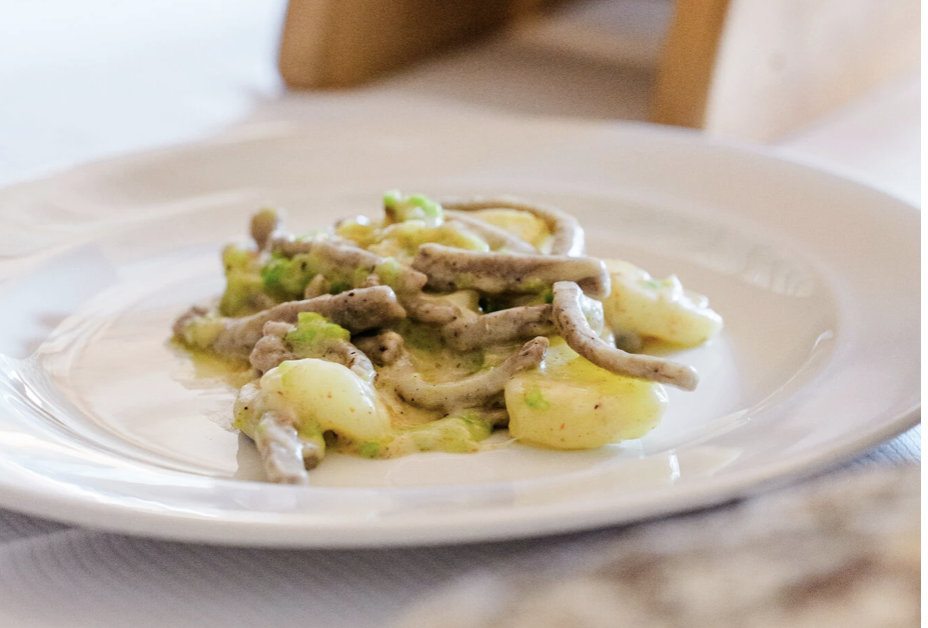
This year’s Winter Olympics could have been a transformative moment for the farmers and chefs who make Pizzoccheri (Photo New York Times).
The good news is that when the Olympic games came to the region, they decided to celebrate pizzoccheri, serving it in the Olympic village, at trendy restaurants and in the refrigerated sections of grocery stores. The bad news is that when it came to mass producing the dish for the Games, outside chefs and farmers swooped in and messed with it. They added cream. They overcooked the butter. They used dried buckwheat pasta instead of fresh. Some even used cheese from other countries. Pizzoccheri purists mourned. Eugenio Signoroni, an Italian food journalist told the New York Times: “I don’t want to seem to be protective that one thing can only exist in one place. What I don’t like is when something becomes only storytelling and loses every real relationship with the surrounding area.”
We’ve seen this movie before. Someone invents a mousetrap. The mousetrap finds a market — looks like it’s going to make some money. Competitors come in to invent a better mousetrap. Sometimes it’s as good. Sometimes it’s just cheaper. But the initial innovators can only survive or thrive if they can do a few critical things.
Get IP protection: One of my sister Mary’s coolest pieces of work was protecting the brilliant work of Trappist monks in Belgium, who had created a special process for brewing ale. When sales took off, competitors flocked in. She made sure the wannabes couldn’t call what they were making “Trappist” – only the monks could. When cheesemakers in Roquefort-sur-Soulzon discovered the mold on the cheese they left out in caves made it taste better and Dom Perignon discovered a way to make bubbly in the Champagne region, they eventually got the French government to protect the names and the process. Today, Trappist beer made in monasteries, Roquefort cheese made in regional caves and champagne made in Champagne all still sell at a premium.
Erect or maintain barriers to entry: Other countries have stolen the seeds and rolling techniques needed to grow smooth-smoking tobacco, but the mystique and price premium for Cuban tobacco leaves, rolled by skilled torcedoras, remains, and the market is effectively closed to new entrants. You can only find truffles and shiitake mushrooms in very specific growing conditions. Carrara marble is only available in Carrara. The rare earth minerals so necessary for making batteries and electronics are, by definition, rare, discoverable in only a few places with expensive equipment.
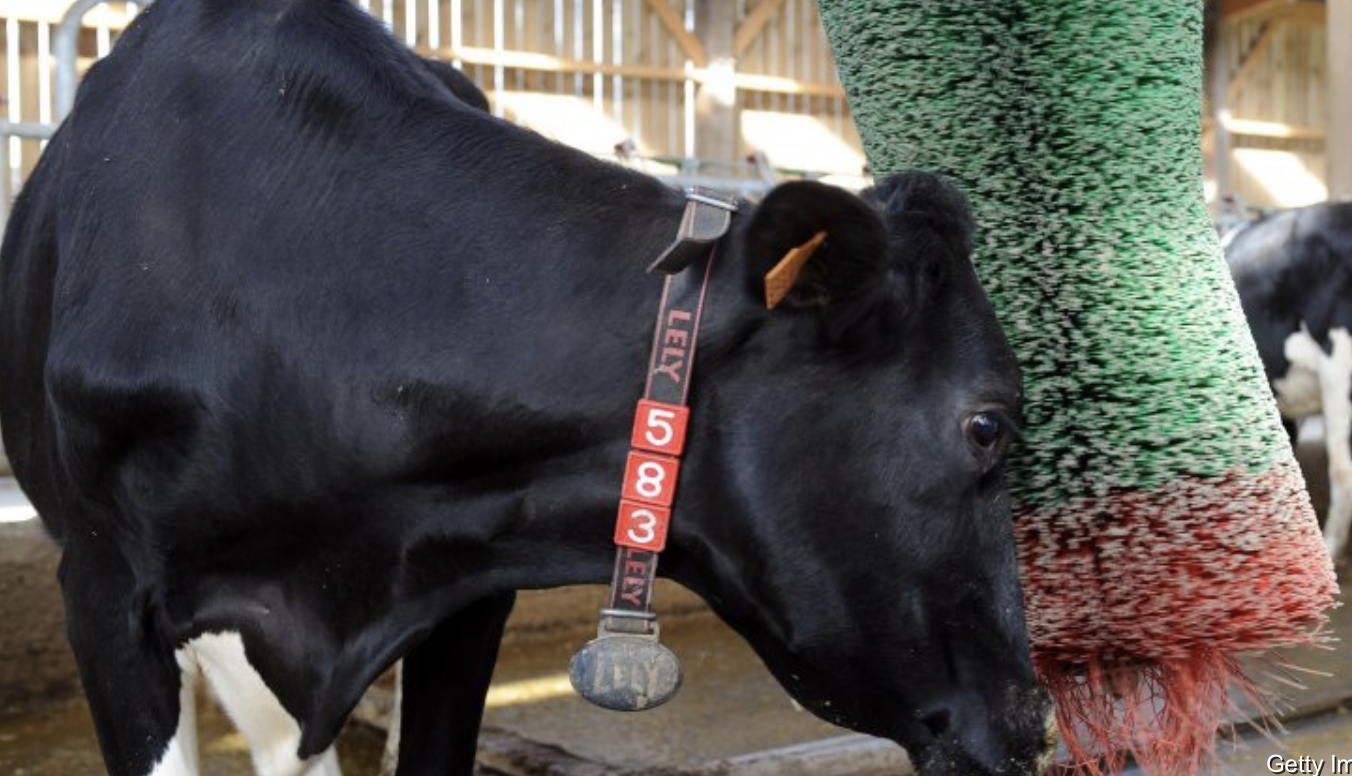
The Tajima-ushi cattle raised for Kobe beef get regular massages, classical music, special feed and occasional beer while fattening up for slaughter. That costs more, but people are willing to pay a premium if it tastes better than regular beef.
Compete on quality: People will pay more for stuff if it’s actually better than the imitators. Onions grown in the Vidalia area of Georgia are really good sweet onions. Pendleton and Ralph Lauren may make a cheaper version of Cowichan sweaters, but people will still pay a premium for the real thing, hand-knitted by indigenous folks in British Columbia. The cattle raised for Kobe beef start their lives with good genes. Then they listen to soothing music, get massages and eat special local grass – right up to the time they are slaughtered. The payoff? Kobe is better than faux-be – worth paying a premium for.
When you look at what it takes for a regional product to compete in a market, it’s easy to see why the farmers and chefs making authentic pizzoccheri got crowded out during the Olympics. The Italian government did nothing to protect the origin of the ingredients that could be used for “pizzoccheri” — they didn’t even capitalize it. Dried buckwheat apparently doesn’t taste much different than fresh buckwheat. And as for quality, most visitors had no previous familiarity with the “real” recipe.
The Olympic curling stones, by contrast, benefit from every advantage. Kays Scotland, the company that produces the stones, is the biggest employer in Mauchline, Scotland because it has a global monopoly. It is designated by the International Olympic Committee as the sole supplier of the stones and has an exclusive agreement with the Marquess of Ailsa (who owns the nearby micro-granite-rich island) to quarry the raw material through 2050. And the quality of stone is universally hailed – apparently the Ailsa Craig microgranite and Kays Scotland shaping process produces stones of irreplicable beauty.
And so the farmers and chefs of the region that produces the official Olympic dish lose and the shapers of the official Olympic curling stone win, for now and for the foreseeable future. “Ailsa Craig is one of those large tubs of ice cream you get in those fridges at the seaside,” says Ricky English, the operations manager at Kays, told The New York Times. “And we’re only taking a teaspoonful.”
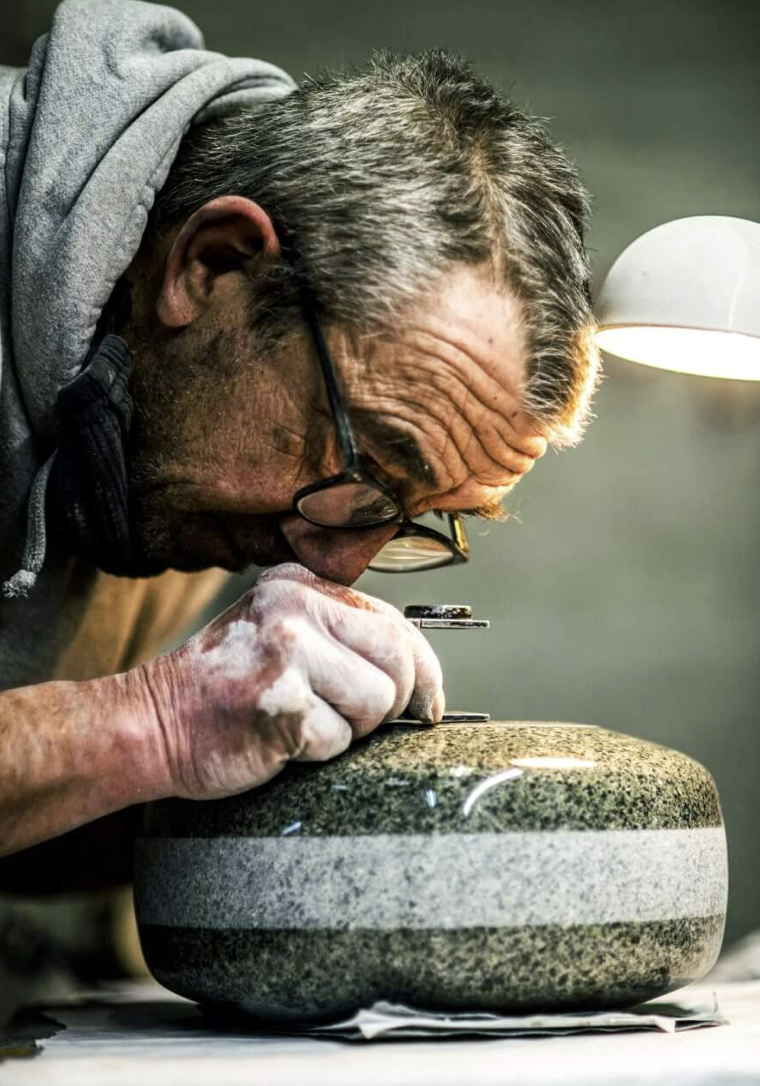
Now that’s a gorgeous stone! And, thanks to the Kays Scotland monopoly, the company making it will be a steady source of employment for the foreseeable future. (Photo New York Times)
If you just got the curling bug, and you want the official Olympic stones to play practice games with, you’ll need 16 at about $1000 each, plus shipping and handling. And for at least the next 24 years, you’ll have to get them from Kays. If you want the Milan-Cortina official Olympic dish, any restaurant in northern Italy can hook you up with a bowl of what they call “pizzoccheri.”
-Leslie
Notes:
The origins of curling stones: https://www.nytimes.com/athletic/6961880/2026/02/12/winter-olympics-curling-stones-scotland-island-factory/?redirected=1
Six place-based products: https://www.neatorama.com/2014/12/12/6-Products-That-Can-Only-Be-Made-in-One-Place/
Pizzoccheri: https://www.nytimes.com/2026/02/23/dining/olympics-pizzoccheri-italy-valtellina.html?smid=nytcore-ios-share
-Leslie